Master's Degree in
Immersive Media Communication
Immersive media is transforming how people experience information, environments, and stories. In our one-year, fully online graduate program, you’ll join a new generation of communication strategists learning how to use immersive media and extended reality (XR) alongside emerging AI tools to design meaningful, experience-based communication that addresses social, environmental, and business challenges.
Program at a Glance
- Degree: MS in Immersive Media Communication
- Format: Fully online, synchronous and asynchronous classes
- Duration: One year / four 10-week terms
- Location: Faculty based in Portland, Oregon
- Credits: 46
- Cohort Size: 15–20 students
- Capstone: option of a capstone project, an internship, a portfolio, or (rarely) a thesis
- Focus: Immersive media, extended reality (XR) strategy, strategic communication, artificial intelligence (AI) tools, content strategy
Advance Your Career in Immersive Media Strategy and Communication
Just as social media reshaped communication by prioritizing participation and interaction, immersive media is shifting communication from messages to experiences. Virtual reality (VR), augmented reality (AR), and mixed reality (MR)—together known as extended reality (XR)—enable audiences to explore stories spatially, interact directly with information, and engage more deeply with complex ideas.
In this master’s program, you’ll learn how to design and critically evaluate immersive communication strategies, gain a working understanding of immersive content creation and production pipelines, and prepare for roles such as immersive storyteller, XR producer, experience strategist, or creative technologist.
Applications for the 2026 cohort are open now! Apply by May 15.
Questions? Reach out to us at sojcmasters@uoregon.edu.
Take Flight Into Your Immersive Media Strategy Career
Our master’s program in immersive media communication will prepare you to lead in roles that involve immersive storytelling and media, experience and innovation strategy, creative research and evaluation, and immersive technology and production leadership.

Network with World-Class Immersive Media Leaders
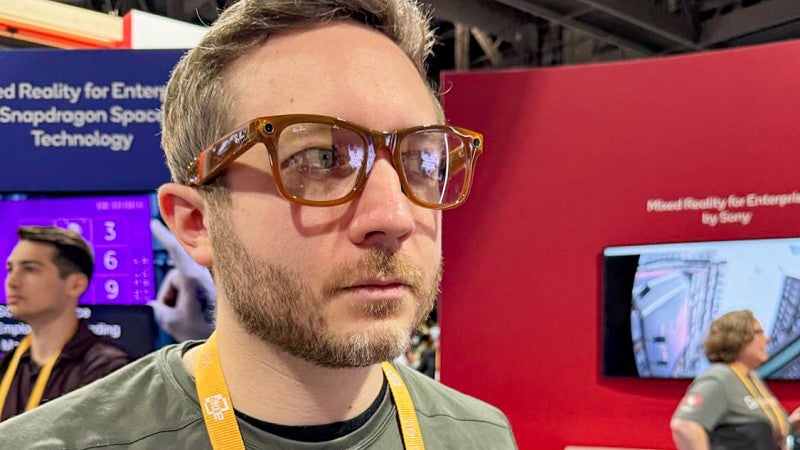
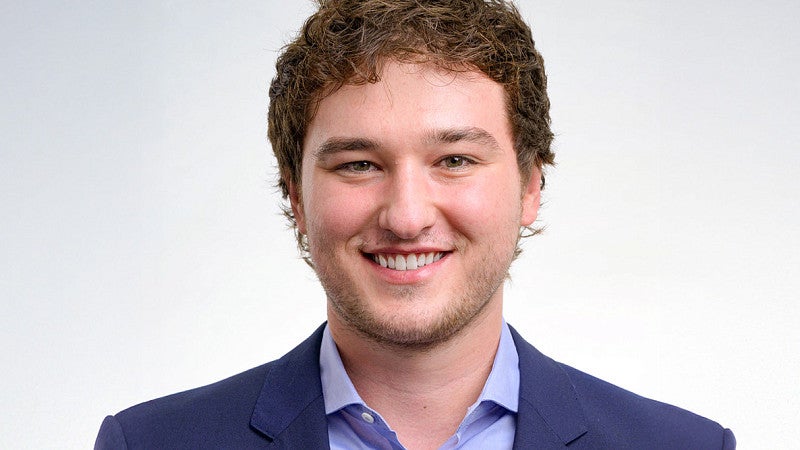
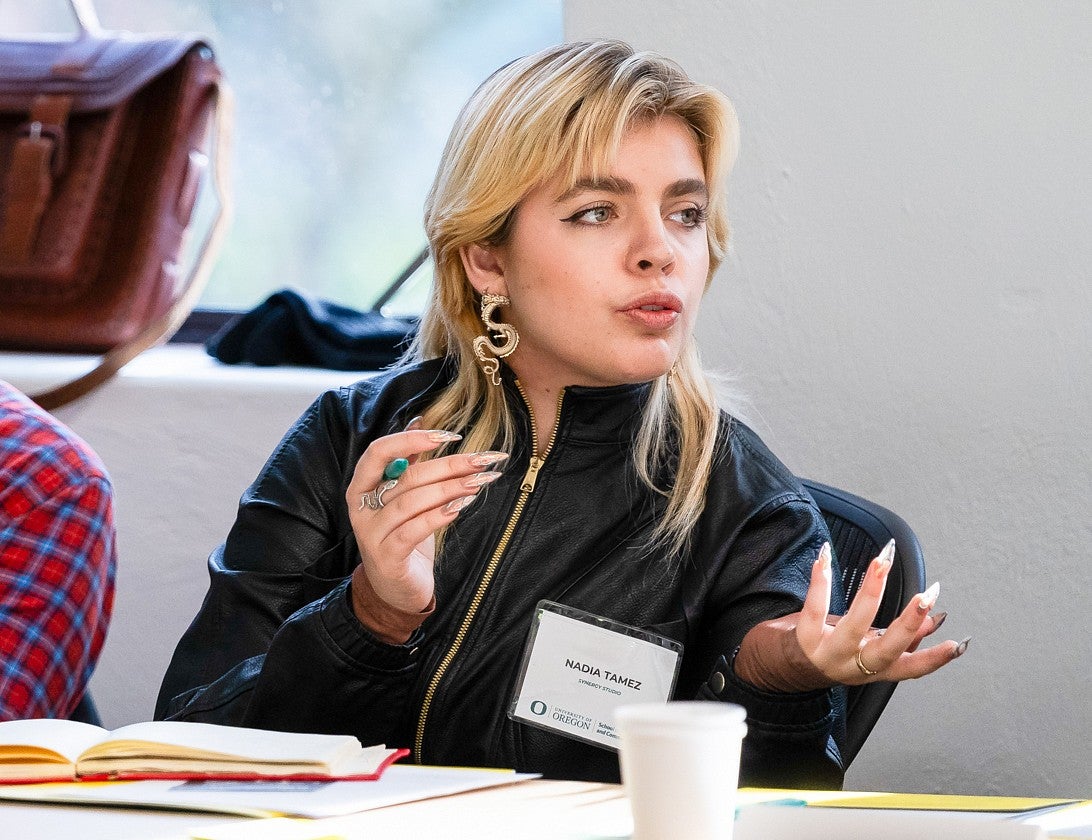
Our Immersive Media Communication Advisory Network (iCAN) connects you with some of the top immersive media leaders in the world—experienced practitioners and researchers working at the intersection of immersive media, communication, and technology. Through guest interactions, project feedback, and industry perspectives, the iCAN team helps us align our curriculum with current professional practice and supports your transition into immersive media strategy roles.
Student Work
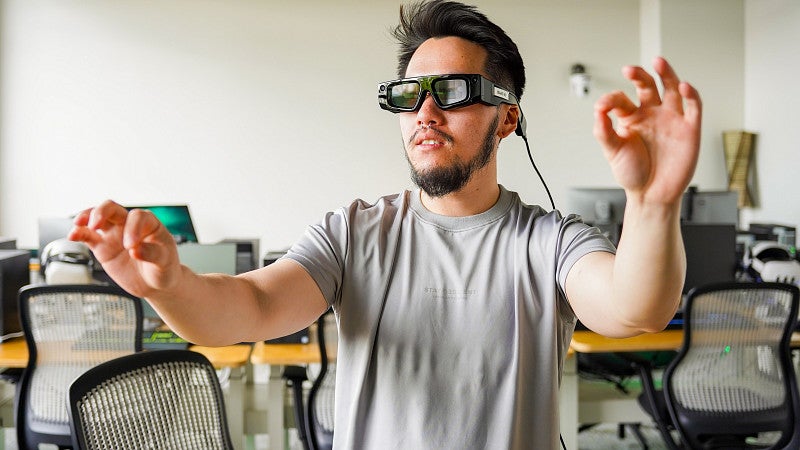
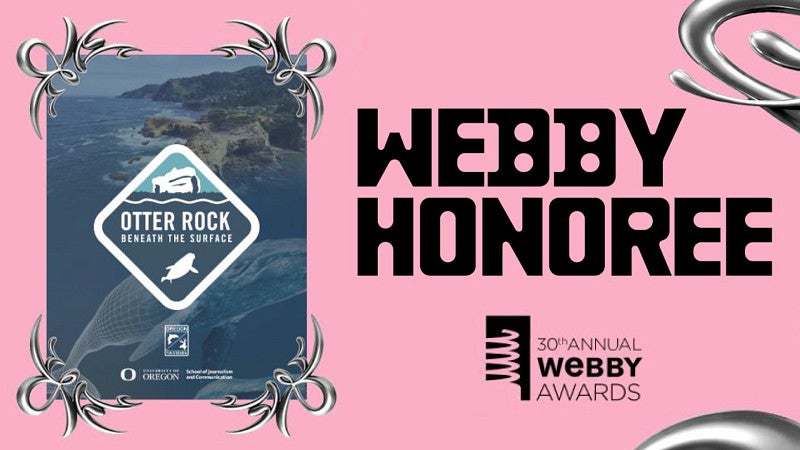
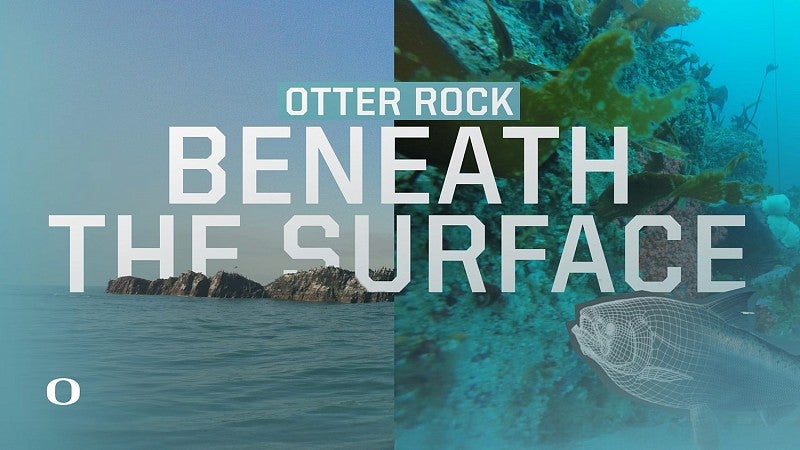
As an Immersive Media Communication Master's student, you'll work on projects that apply immersive media strategy to real communication challenges, connecting audiences to environmental data, cultural stories, and social issues through spatial and interactive experiences.
Flexible Online Immersive Media Program
Our fully online program is structured for flexibility, enabling you to complete the degree in as little as one year or pace your studies to suit your work and life commitments. Many of our students are midcareer professionals who are applying what they learn in the program to their jobs in real time.
Students who live in the Pacific Northwest can also access the Oregon Reality (OR) Lab at SOJC Portland for hands-on experience with AR/VR hardware and immersive production tools that support coursework and capstone projects.
Dive In to the Details
Choosing a graduate program is a big decision. We're here to make sure you have all the information you need to feel confident in your choice. Consult our answers to frequently asked questions and reach out to our graduate recruiter any time.
Let's start with what you'll actually learn in our Immersive Media Communication Master's degree program:
- How to use immersive media and tech to achieve communication goals
- How to decide when immersive media adds value (and when it doesn’t)
- How to design XR experiences for specific audiences and goals
- How to apply UX research and human-centered design principles to your work
- How to evaluate impact, ethics, and accessibility
- How to manage immersive media production and create basic XR content
Meet Our Faculty
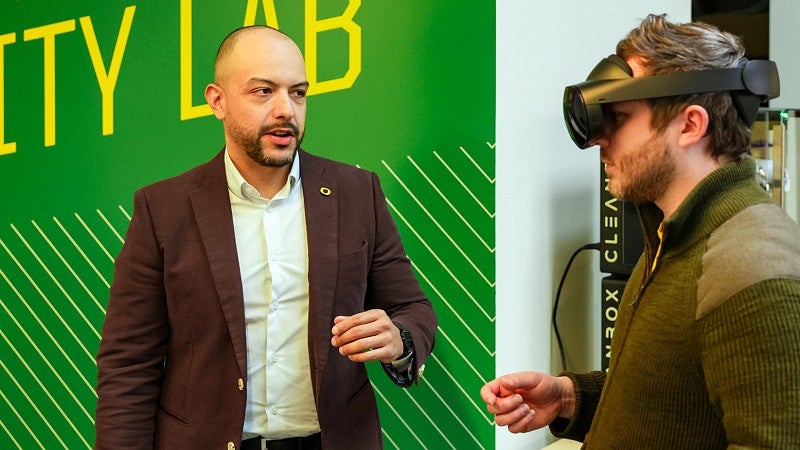
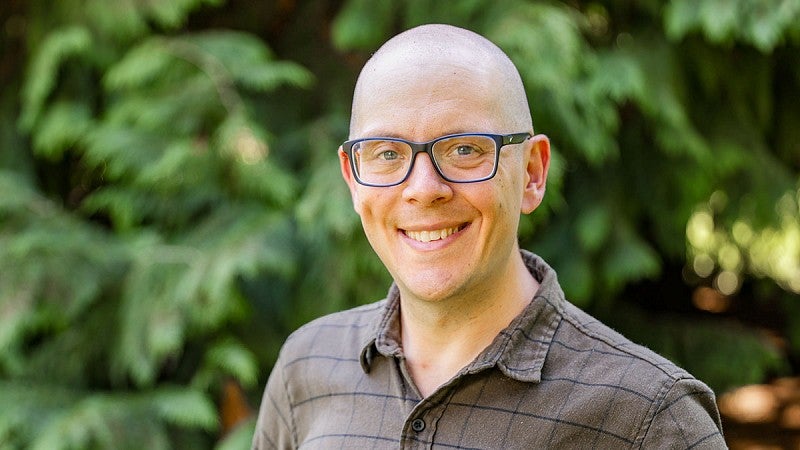
Danny Pimentel
Assistant Professor of Immersive Media Psychology
Inspired by childhood trips to Disney World, Dr. Danny Pimentel has long been fascinated by virtual reality’s promise as a communication tool. His research explores how immersive media can help humans empathize with the natural world, from seeing the ocean through a sea turtle’s eyes to virtually climbing 22,000 steps in search of water in Haiti.