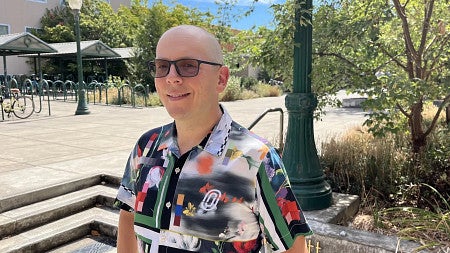
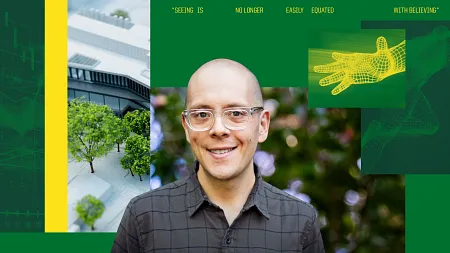
SOJC Assistant Professor Maxwell Foxman spoke to Lookout Eugene-Springfield about his love of games and his research, which involved creating a test readers can use to assess the authenticity of images.
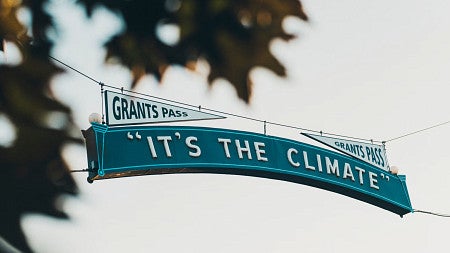
John Sutter, SOJC assistant professor of environmental media, wrote a long-form feature article for The Guardian about wildfire smoke deaths in Oregon, which has the highest rate in the country.
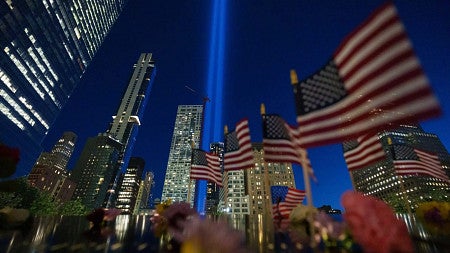
Journalism grad Leo Heffron ’26 interviewed Eugene-area residents—including two SOJC professors—who were living in New York City and Washington, DC, during the terrorist attacks on 9/11.
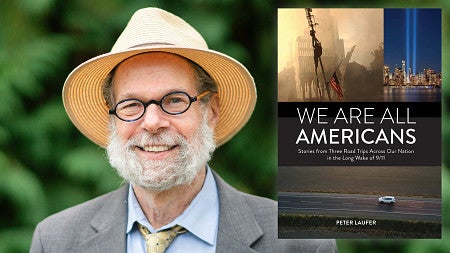
SOJC Professor Peter Laufer was interviewed about his book, “We Are All Americans: Stories from Three Road Trips Across Our Nation in the Long Wake of 9/11” on OPB’s “Think Out Loud.”
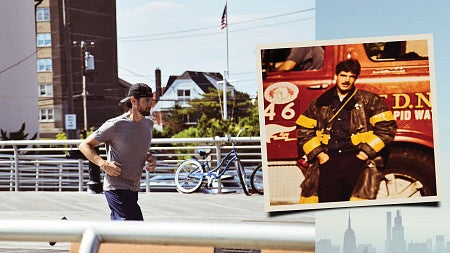
SOJC Professor of Practice Charlie Butler wrote a compelling profile in Runner’s World about a NYFD firefighter who died on 9/11 and the family who continues to honor his legacy.
Is that image real or fake? Maxwell Foxman, SOJC associate professor of media studies, suggests a more nuanced scale that captures how closely an image represents what it’s trying to depict.
AI-generated summaries, featured snippets, and other features mean that Google is the final destination for many users, rather than the start of a journey, says SOJC Professor of Practice Damian Radcliffe.
Telemundo’s incessant promotions during the World Cup may surprise U.S. viewers, but they’re the norm in a nation with a saturated ad market, Chris Chávez, SOJC advertising professor, told the LA Times.
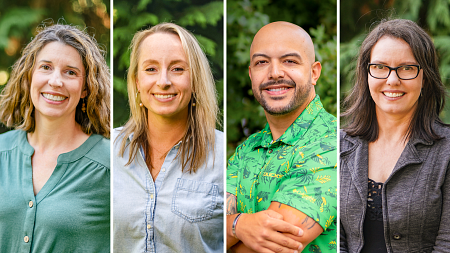
Four SOJC faculty members have received promotions: Karen McIntyre, associate professor; Courtney Munther, teaching professor; Daniel Pimentel, associate professor; and Gretchen Soderlund, professor.
SOJC Assistant Teaching Professor Lisa Peyton says communicators have a direct role in how brands show up in AI-generated answers. Peyton teaches strategic communication classes focused on AI.