The first-of-its-kind course immerses students in real-world advocacy, storytelling and press freedom work.
By Leo Heffron, class of ’26
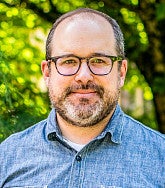
Advertising Professor of Practice David Ewald has had years of experience working with the hostage diplomacy community.
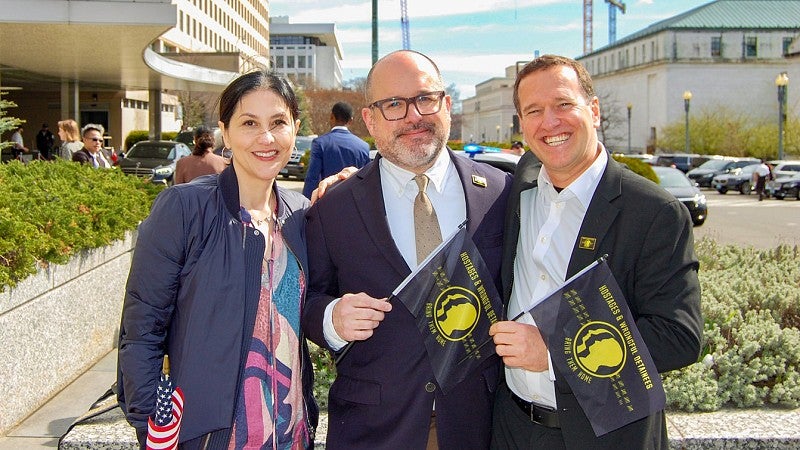
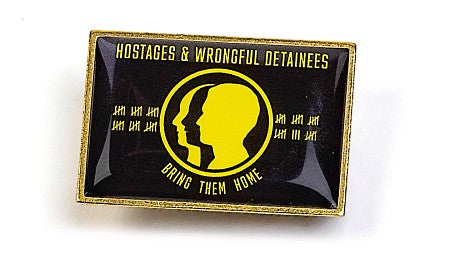
He was first introduced to it through his friend, Mickey Bergman, the CEO of Global Reach, an organization dedicated to bringing home Americans held hostage. Beginning in 2022, Ewald started working with Bergman and organizations like the James W. Foley Legacy Foundation to help design the Hostage and Wrongful Detainee flag — the second flag in U.S. history to be voted into law.
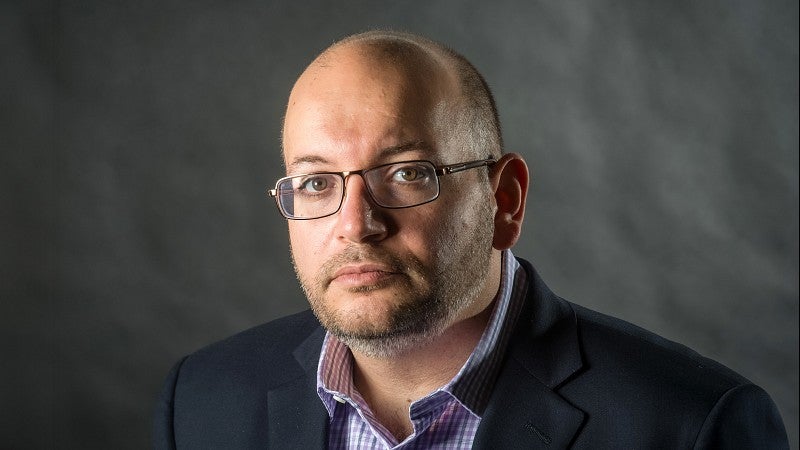
Now Ewald wants to help students delve into the complex world of hostage advocacy. He is co-teaching a two-term course through the UO School of Journalism and Communication (SOJC) with Jason Rezaian, director of press freedom initiatives at The Washington Post and the 2026 Eric W. Allen Faculty Fellow, who was held hostage as a journalist in Iran for 544 days. Jan. 16 marks the 10th anniversary of his release. Rezaian has published a book and hosted a podcast about his experiences in an Iranian prison.
The course, which Ewald and Rezaian piloted in winter and spring terms of 2025, gives students of any major an insider's view into hostage diplomacy. Students collaborate with former hostages and their families, meet with nongovernmental organizations and government officials and even travel to Washington, D.C., to contribute to real advocacy efforts.
The course teaches students how to stretch their storytelling skills through advocacy and awareness. Whether they major in journalism, advertising, public relations, media studies or a discipline outside the SOJC, the course builds essential skills.
It’s the kind of innovative course that makes the SOJC unique among schools of communication, says Interim SOJC Dean Regina Lawrence.
“This program is the first of its kind in the country and gives our students a truly unique set of experiences, no matter their specific major,” Lawrence said. “It reflects the SOJC’s commitment to innovating curriculum, protecting press freedom and inviting cross-campus participation.”
Creating a hostage diplomacy course
Ewald had long been interested in hostage advocacy, but his passion grew in 2022 when he and Bergman joined a call with 40 family members of detainees. Their stories moved him.
“As we went around the Zoom call, the thing that really struck me was every family member introduced themselves — who their loved one was and how many days their person had been held,” Ewald said.
“When you hear from families of hostages over 40 times, it reinforces the gravity of this work and the toll it has on families,” Ewald said. “This work matters.”
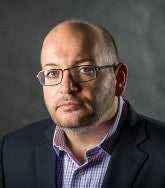
The scaffolding for the Hostage Diplomacy course began in 2024 when Rezaian came to the SOJC to deliver the Robert and Mabel Ruhl Lecture. Ewald met with Rezaian, and the two discussed creating a course.
“We just started dreaming out loud together,” Ewald said.
From there, the two pitched the idea to the school and even sought and secured donor funding from Julie and Rocky Dixon ’78 to cover travel and other expenses. Julie Dixon, the first advertising manager at Nike, sits on the SOJC’s Journal Advancement Council, and the couple are longtime UO donors.
Supporting the hostage class reflected their values.
“We believe in the powerful ability of young journalists to save and improve lives,” they said in a statement. “Through their exploration of truth and communication in hostage situations, students will learn how to navigate the complex political obstacles that confront peace-seekers of their generation."
The Dixons’ support was validating, Lawrence said.
“We are deeply grateful for the longtime support we’ve received from the Dixons, who truly care about the SOJC being the best in the world at what we do."
A course with real-world impact
Students from the first cohort said the course provided them access to opportunities they never expected as undergraduates. Each of them walked away with new connections and a deeper understanding of how hostage diplomacy shapes our world.
“The mentorship and connections that came from this program were the most beneficial for me personally, especially as an older student,” said Chandlor Henderson ’25, an SOJC journalism graduate.
Henderson said the network he built through the course was vital to his learning. He connected with Karen Attiah, a former Washington Post journalist and opinions editor, and Camila Vergara, a critical legal theorist, historian and journalist from Chile.
Those conversations, which are ongoing, inspired a podcast he produced for the class, including one episode with Vergara about freedom of the press and how journalists should approach hostage diplomacy.
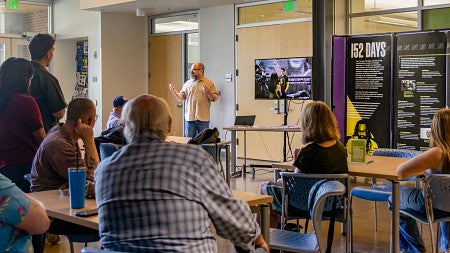
For Tarek Anthony, a fourth-year double major in political science and journalism, one of the most memorable moments was hearing from Roger Carstens, the former U.S. Special Presidential Envoy for Hostage Affairs, via Zoom during a class where he dove into the history of hostage diplomacy and where it stands today. Carstens’ firsthand account of negotiating for hostages across the Middle East gave Anthony a perspective he hadn’t heard in any classroom.
“It’s like a whole other world that no one knows is happening,” Anthony said. “Everyone is running around advocating for [the hostages’] freedom, but the actual business that's happening behind the scenes is just never talked about.”
Maren Fullerton, a fourth-year double major in advertising and political science, said learning how to handle emotionally heavy situations with empathy and respect was her number-one takeaway.
Talking to former hostages and the families of hostages can be an emotionally delicate experience, Fullerton said. She was motivated by the chance to engage with organizations and people in crisis, not just by completing a class project.
“Getting to be in that situation where you are asking somebody questions about their loved one who is being held hostage, you have to be compassionate, and you have to deeply listen,” Fullerton said. “That’s an important soft skill you don’t learn sitting in a classroom.”
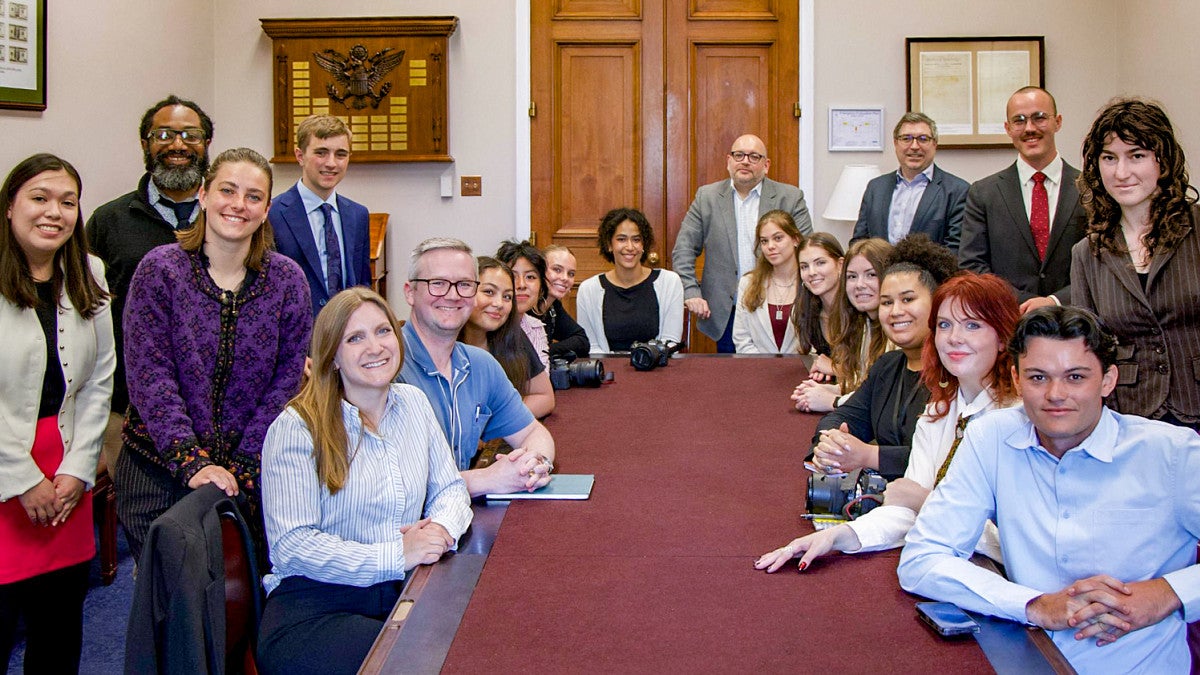
Hands-on experience in advocacy, journalism and campaigning
Building on that hands-on experience, the course functions as a “flexible incubator for ideas,” Ewald said. Students actively contribute to real-world projects, ranging from advocacy and journalism to creating campaigns, allowing them to apply these critical skills while helping to make a tangible impact.
The loose and flexible structure of the class was tailored to the students' interests, which prompted important conversations and new perspectives.
“There were a lot of new ideas, and whatever we came up with was fair game,” Anthony said. “The course and the expectations were being formed as we went.”
This flexibility allowed for a diverse array of projects, from podcasts with lawyers working in the space to a first-of-its-kind photo archive of family-made advocacy shirts, posters and similar materials.
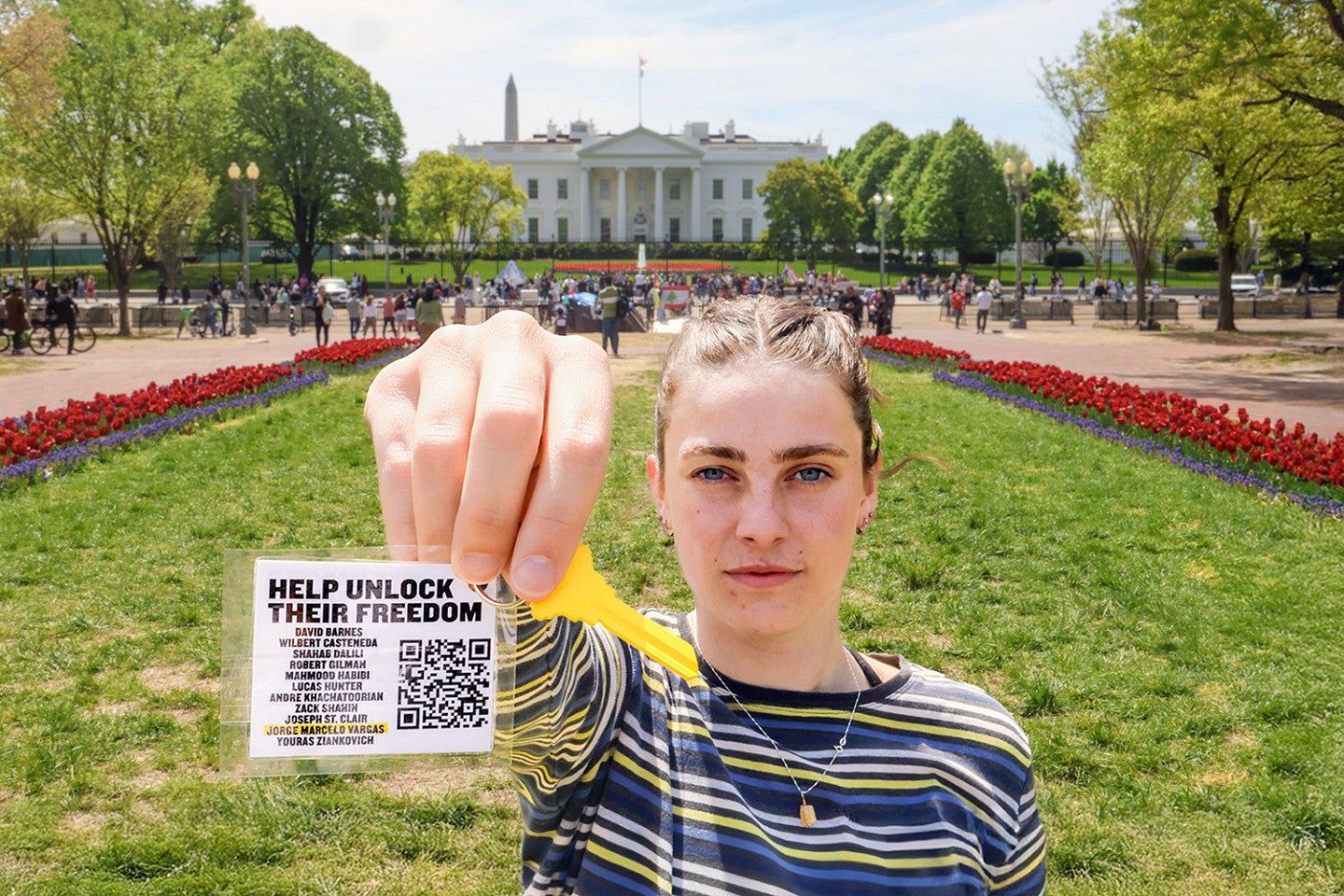
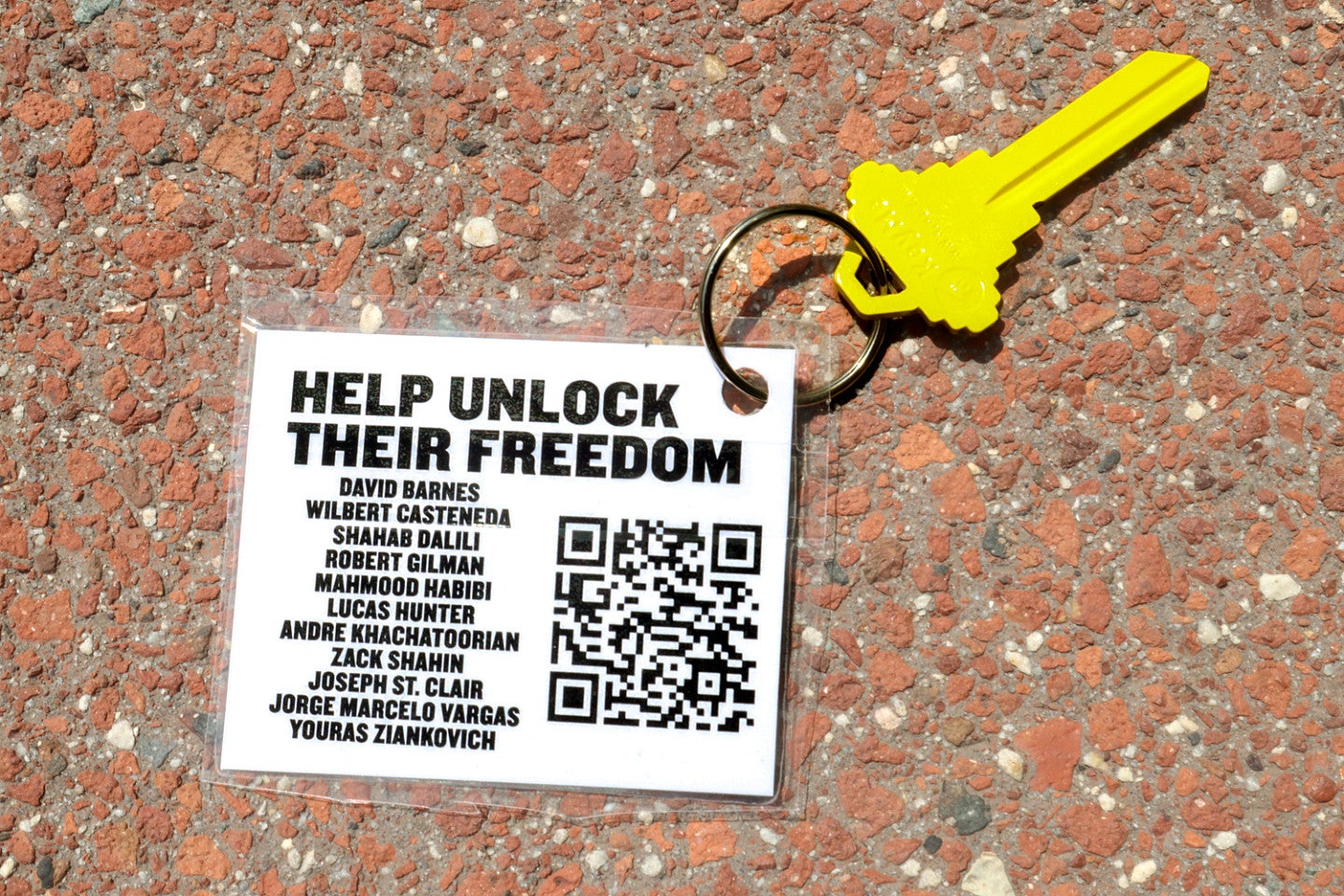
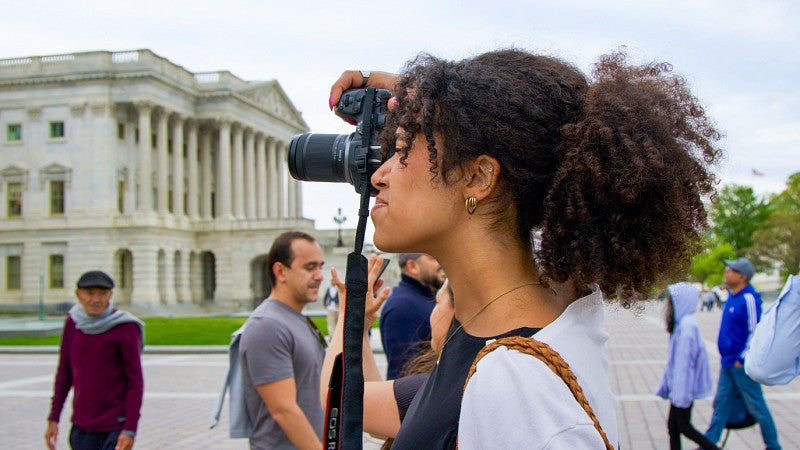
For her project in the SOJC’s Hostage Diplomacy class, Maren Fullerton ’26, an advertising and political science major, worked with her fellow students to distribute 500 yellow keys around Washington D.C. to raise awareness and advocate for the safe return of hostages around the world. Cards listing the names of wrongfully detained Americans and QR codes linking to their stories were attached to each key. Photo by Elizabeth Sgro.
A hostage diplomacy awareness campaign
Fullerton’s project, in collaboration with Elizabeth Sgro ’25, involved keys — 500 of them.
Working in collaboration with the James W. Foley Legacy Foundation and the Bring Our Families Home Foundation, Fullerton and other students in the class acquired 500 keys, painted them yellow — the symbolic color of hostage diplomacy — and attached tags with the names of hostages and QR codes linking to their stories.
The keys represented freedom and the idea of a home, Fullerton explained. Everyone can relate to having a key to something, and finding a lost key out in public prompts the thought, “Who does this key belong to?” In this case, the lost keys belong to those who are wrongfully held hostage abroad.
“We dropped them around DC, inviting people to a mural unveiling that depicted a group of hostages who were detained,” Fullerton said.
Fullerton also said the goal of their project was to empower families to advocate for their loved ones and, ultimately, help bring them home.
“Our project showed that students are capable of using creative strategies for real-world issues outside of a university setting,” Fullerton said. “We don’t have to go the traditional pathway to an (advertising) agency, but can instead apply the same principles to advocate for issues that we care about.”
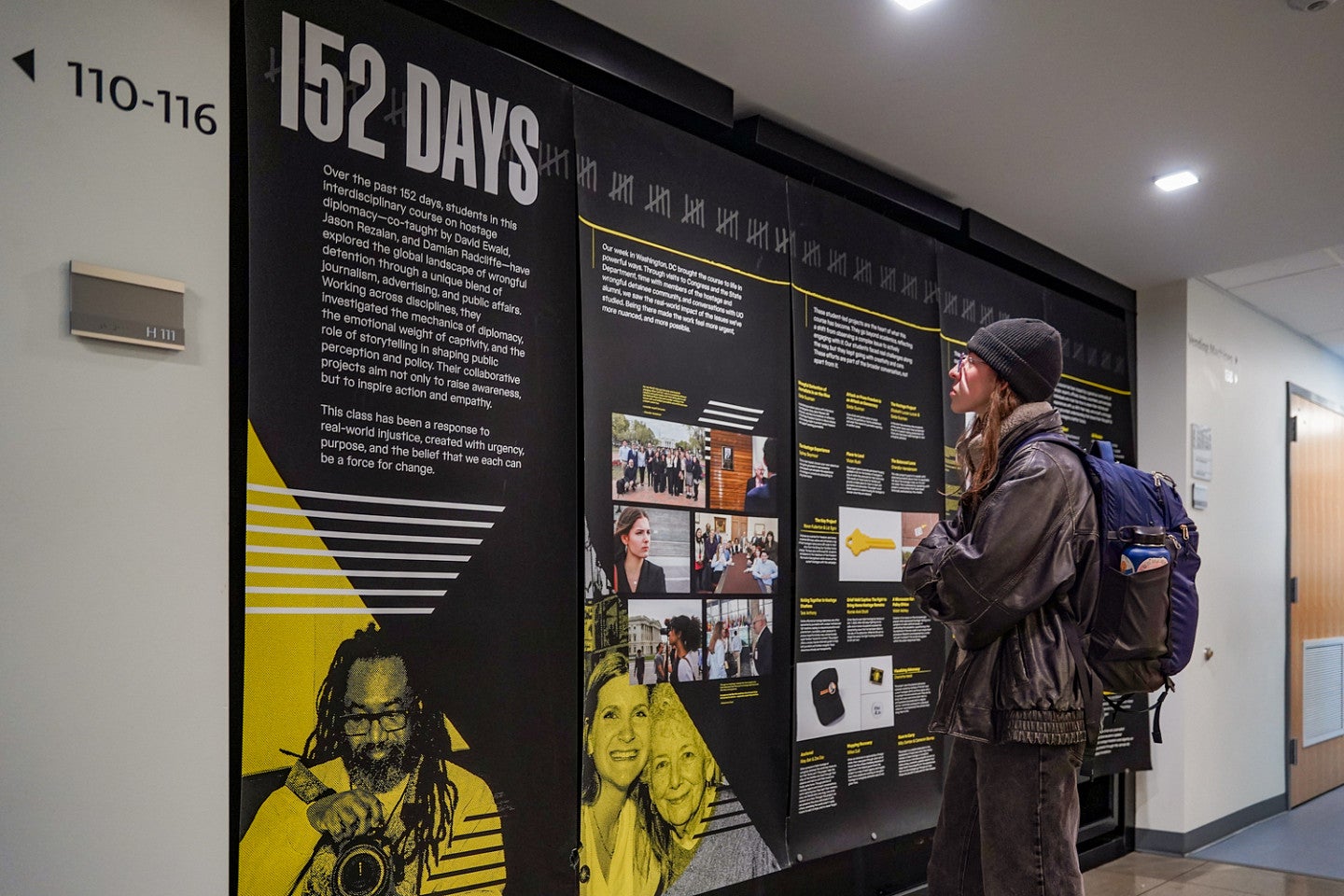
Students created meaningful, poignant projects
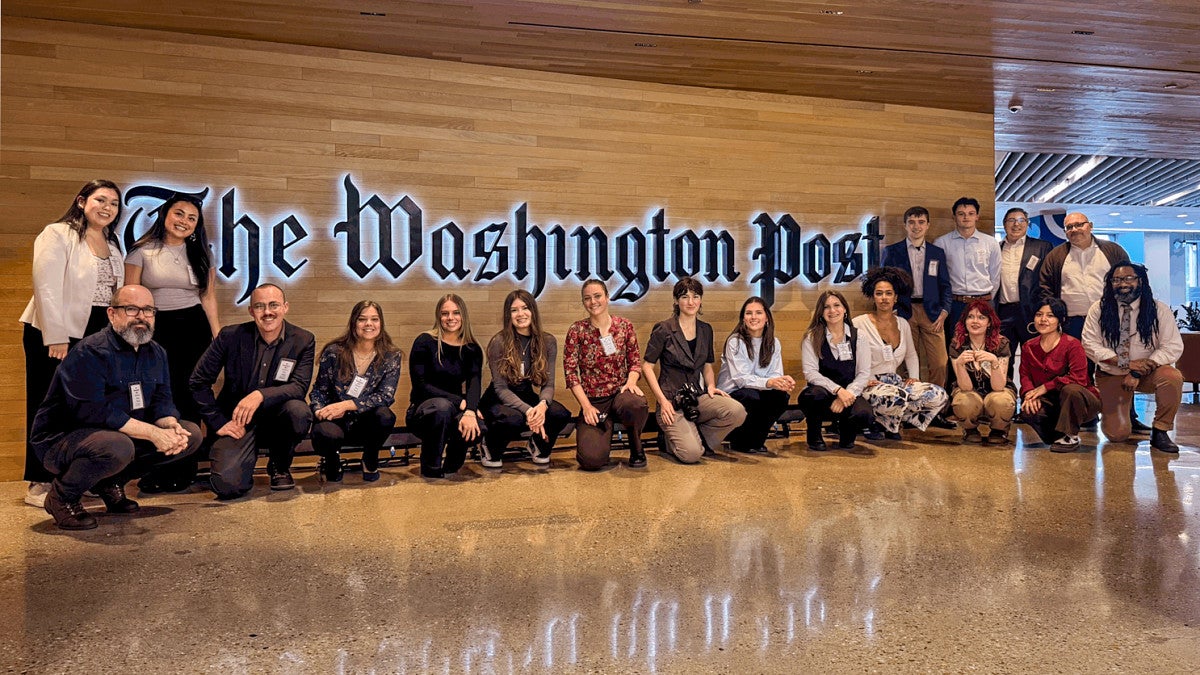
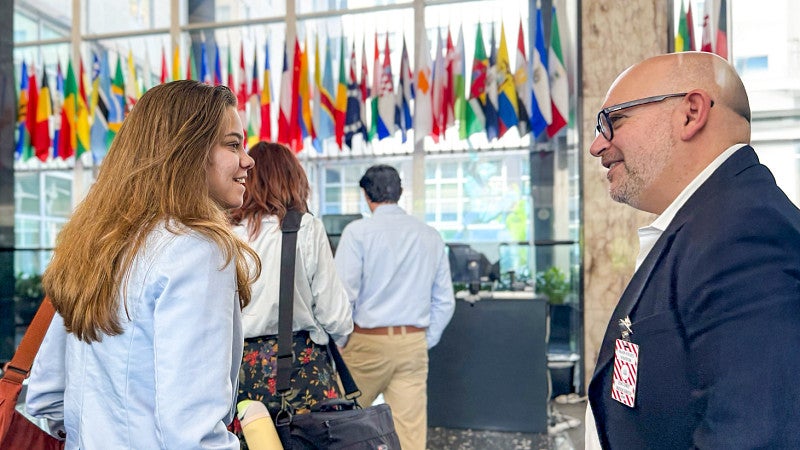
For Ewald, a memorable moment occurred in Washington, D.C., during an alumni event at the National Press Club. Standing in front of a room full of Duck alumni and members of the hostage and wrongfully detained community, students were prompted to talk about their projects.
“That was the first time everybody — Jason and I included — saw and heard the projects reflected back,” Ewald recalled. “It was a moment to look back and say, ‘Wow, there is a lot we’ve done in this class,' and that was largely the students' work.”
That real-world application is at the heart of what the SOJC stands for, Lawrence said.
"At a moment of profound change in media, it’s so important for the SOJC to do creative and groundbreaking things,” Lawrence said.
Ewald said students did meaningful work, and he expects that will continue with the new cohort taking the two-term course this winter and spring.
Through this course, Ewald and Rezaian aim to not only highlight the importance of advocacy and support but also to illuminate the possibilities of civic action.
“We hope to train the next generation of journalists, advocates and global citizens to bring new thought to this vital work with skill and humanity,” Ewald said.
Leo Heffron is a fourth-year journalism major at the SOJC, with a minor in Spanish. He enjoys writing about various topics, but fashion and social issues are his favorites. Leo is the associate opinion editor for The Daily Emerald and is a staff writer for FLUX magazine.